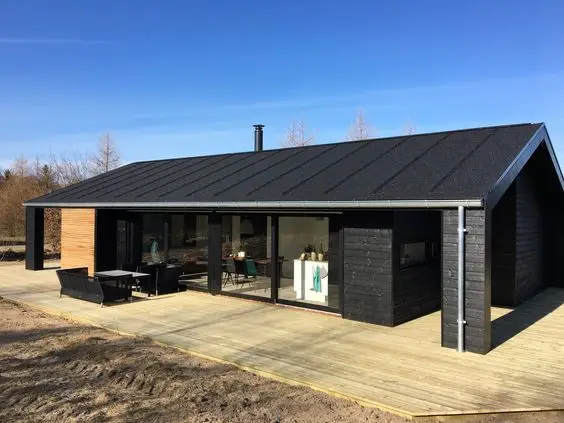
Have you ever wondered why skyscrapers are composed of metal, not wood? Metal has significantly changed the landscape of architecture in recent years. More significant wooden buildings cannot be constructed effectively due to design constraints such as the need for additional support structures and the weight of the building materials. On the contrary, metal buildings offer a broad spectrum of designing buildings with higher dimensions. Pole barns get more complicated, expensive, and unreliable when you try to build a structure higher than a specific elevation.
Difference Between Pole Barns and Steel Buildings
Steel buildings enjoy a competitive edge over pole barns due to their superior resilience, strength, and versatility. While many differences between these two building types are obvious, some subtle distinctions can significantly affect performance and longevity. Below are the key factors that set steel buildings apart from pole barns:
-
Susceptibility to weather
One major drawback of pole barns is wood’s vulnerability to weather-related issues such as rot, mold, and natural decay. In contrast, high-quality steel structures are immune to these problems, making them a far more reliable long-term solution.
-
Built Tough
Lightning, moisture, fire exposure, and even birds perching on exterior surfaces can damage pole barns over time. Steel buildings, on the other hand, offer superior resistance to these elements. The primary weather-related concerns for steel structures—corrosion and water intrusion—are easily managed with protective coatings and minor maintenance.
-
Larger spaces and lengths
Steel structures allow for expansive clear spans, longer building lengths, taller eave heights, and integrated gutter systems without complicating construction. This flexibility enables open interior layouts ideal for commercial, agricultural, and industrial applications. While larger projects may require professional installation and additional framing, steel’s scalability is unmatched.
-
Maintenance and Upkeep
Pole barns naturally deteriorate over time and require ongoing maintenance and repairs. Steel buildings offer stress-free ownership, requiring minimal upkeep. This long-term durability makes steel a cost-effective, one-time investment you can rely on for decades.
-
Durability
Steel is one of the most durable and recyclable building materials available. Unlike wood, which degrades over time, steel maintains its structural integrity and can be recycled at the end of its lifecycle. This makes steel both an environmentally responsible and long-lasting construction choice.
-
Acoustics and Sound Control
Sound isolation depends on material density and structural mass. Lightweight materials like wood tend to transmit sound more easily, despite absorbing some noise. While wood is commonly used in music venues for sound control, steel buildings can achieve excellent sound insulation when properly insulated.
With the right insulation system, steel structures can effectively reduce noise transmission, making them ideal for workshops, commercial spaces, and sound-sensitive environments.
-
Pest and Insect Damage
A house can become an endless buffet for pests if it is not adequately protected. Certain insects, fungi, and pests can gradually break down wood. For example, termites create tunnels and galleries within wood fibers, significantly compromising structural integrity. Steel buildings are immune to such damage, making them a far more durable and reliable option.
-
Scope for Changes and Customization
While pole barns offer limited flexibility for future modifications, steel building structures provide exceptional versatility. Traditionally favored for agricultural use, pole barns are increasingly being replaced by steel buildings as farmers recognize their long-term advantages. Steel structures are easier to modify, expand, and adapt as needs evolve, making them a future-ready investment that supports growth and change over time.
Conclusion:
Today, metal building structures are indeed the need of the hour. With its exceptional resistance to weathering, steel is a resilient construction choice that outperforms the traditional use of wood. This feature is particularly evident in structures intended for agricultural use, where steel’s enduring strength surpasses wood’s limitations, offering unique advantages.
Their minimal maintenance requirements make them the winner in every aspect. They offer long-term durability and a classic finish. Metal buildings are open to adjustments and modifications and support the need for large open spaces without internal support. Assess your needs, budget, and preferences to determine which option best fits your requirements.