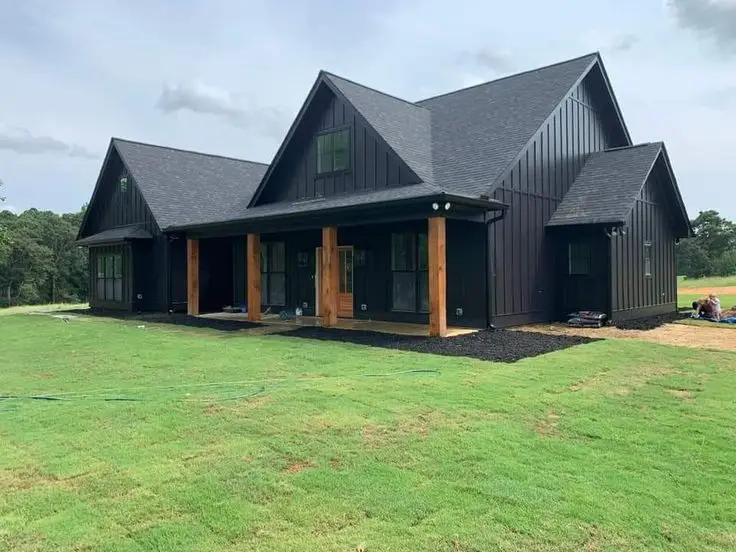
When choosing a suitable metal building, picking the right one among its classifications is essential. A versatile material like metal offers a wide range of classifications based on design, functionality, and material.
Classification of Building Metal Structures
Metal Structure classification helps you choose the best option for your needs and design preferences. Here’s a list of metal building structures, ranging from brackets, trusses, and frames to canopies and residential applications.
Beam Structures
With their robust, cantilevered, and continuous design, beam structures are reliable structural elements that provide strength and stability, especially when supporting heavy loads.
These structures are commonly used in warehouses to store raw materials, finished goods, as well as in industrial production workshops for both heavy and light steel applications. Steel beam structures offer excellent strength, wide span, and efficient use of space. They can be integrated into procedure workflows, and accommodate a wide range of manufacturing equipment.
Bracket Structures
These structures are primarily defined by mechanical equipment brackets that simplify process equipment support and maintenance. They feature a variety of cross-sectional configurations and staggered structural designs. Bracket structures are well suited for industries that rely on extensive equipment systems, such as steel manufacturing, chemical processing, power generation, and offshore platforms.
Truss Structures
Truss structures, with their efficient triangular framework design, demonstrate the strength of minimalist engineering. They use minimal material to span large distances, making them a reliable choice for applications such as towers and roofing systems.
The primary structure is typically hybrid in nature and may incorporate steel frames, trusses, grids, reticulated shells, steel–concrete systems, string beam structures, spiral staircases, and hyperbolic beams. These structures often feature curved surface forms, including curtain walls, metal roofing, and other enclosure systems.
Their distinctive shapes provide strong visual recognition and allow for effective connections between different internal functional areas. Truss structures perform well in a variety of settings, including science and technology centers, transportation hubs, cultural research facilities, and historic or landmark buildings.
Steel Structures for Venue
The main structure is typically hybrid in design and constructed using steel frameworks, trusses, grids, reticulated shells, steel–concrete systems, string beam structures, spiral staircases, and hyperbolic beams. These buildings often feature curved surfaces, such as curtain walls, metal roofing, and other enclosure systems.
Their distinctive shapes offer strong visual recognition and allow for efficient connections between different internal functional areas. Steel venue structures perform exceptionally well in settings such as science and technology centers, transportation hubs, cultural research facilities, and historic or landmark buildings.
Frame Structures
These consist of a network of beams and columns that create a skeleton for a building. They provide stability and support and are used in many multi-story buildings and industrial facilities.
Composite column
A composite column is a reinforcement column composed of reinforcement, concrete, and structural steel. Composite columns frequently serve as longitudinal reinforcement and have a tremendous load-bearing capability in constructing high-rise buildings. They offer great strength in a small cross-section and often exhibit outstanding fire performance.
Columns can be categorized according to their shape: square or rectangular columns. For support, they have at least four longitudinal steel beams. Frequently make shuttering, installing reinforcement, and pouring concrete simple. This and their general price make them a well-liked option for construction projects.
Steel Truss Construction
Steel truss construction is a versatile solution, capable of forming substantial members with lower cross-sections. Its inspiration can be found in various applications, from tower corridors of commercial and industrial buildings to TV towers, mast towers, roofs, bridges, and marine oil platforms, inspiring the audience with its adaptability.
The steel truss construction is made up of many rods that are hinged at both ends. It is separated into two types: space trusses and plane trusses. It can be divided into tube and angle steel trusses, per the parts section. The upper chord, lower chord, diagonal web, vertical rod, and inter-truss support are typically found in a truss. Compared to solid web beams, trusses require less steel, have a lighter structural weight, and have more rigidity.
Canopies
Canopies, with their elegant design and generous clearance that does not obstruct visibility, showcase the beauty of steel structures. They are commonly used on train platforms, pedestrian streets, stadium stands, and other public spaces where both function and aesthetics are important.
Bracing made of steel
Steel bracings, the diagonal steel members in a steel structure, are crucial in maintaining longitudinal equilibrium and withstanding forces like wind, earthquakes, and other vertical stresses. Each type of steel bracing, from chevron support to inverted V-bracing, has its unique design and function, serving a specific purpose in reinforcing the structure.
Commercial Structures
These consist primarily of architectural steel constructions, including office buildings, retail centers, hotels, and other commercial facilities. Steel structures can be designed in various ways and for multiple purposes to meet the flexible and customizable needs of business premises. For example, steel can be used for the framework, façade, or even interior design elements of a building. Steel-structured commercial buildings can also be produced more quickly and brought into operation sooner than traditional concrete buildings, as they are manufactured off-site and assembled on location—enhancing overall efficiency and economic value.
Residential buildings
Apartments, villas, high-rise homes, and other constructions frequently use steel structures. Because of their strength and lightweight, they can lower foundation pressure, expenses, and structural weight.
Steel constructions can guarantee the safety of buildings and occupants since they are seismically resistant and meet strict safety regulations for residential buildings. In addition, the steel framework of the building can be recycled to achieve material recycling, fulfilling the criteria for the environmental sustainability of green structures.
Conclusion
The categorization of steel structures is the foundation for their study and application. It is crucial for enhancing metal structure design efficiency and the logical choice of steel structure types. In real engineering, the right steel structure should be chosen based on material conditions and other considerations to preserve the structure’s security, durability, economic performance, and elegance. Meanwhile, as technological and scientific developments advance and engineering practice accumulates, steel structure categorization and application will require regular updating and improvement.